

VISION IN PRACTICE
A web of support for the people who support everyone else.
Reciprocity in Practice is building a connected ecosystem where healthcare professionals can know one another, support one another, and serve clients with more confidence.
We are creating more than a network. We are creating the kind of professional community that makes it easier to ask a thoughtful question, find the right resource, make a meaningful introduction, and remember that you do not have to build your practice alone.
Each point of connection strengthens the next.
The Referral Circles, Directory, Workshops, Community Events, and Summit are not separate ideas. They are parts of one larger system.
A conversation at an event can become a Circle relationship. A Circle relationship can make a referral more thoughtful. A workshop can give someone the language or skill to make their practice clearer. The Directory can help a professional find the next right connection when time matters. The Summit can widen the room and invite new relationships into the web.
Each offering makes the others more useful. Each relationship makes the network stronger.
The Referral Circles
Trust has to begin somewhere.
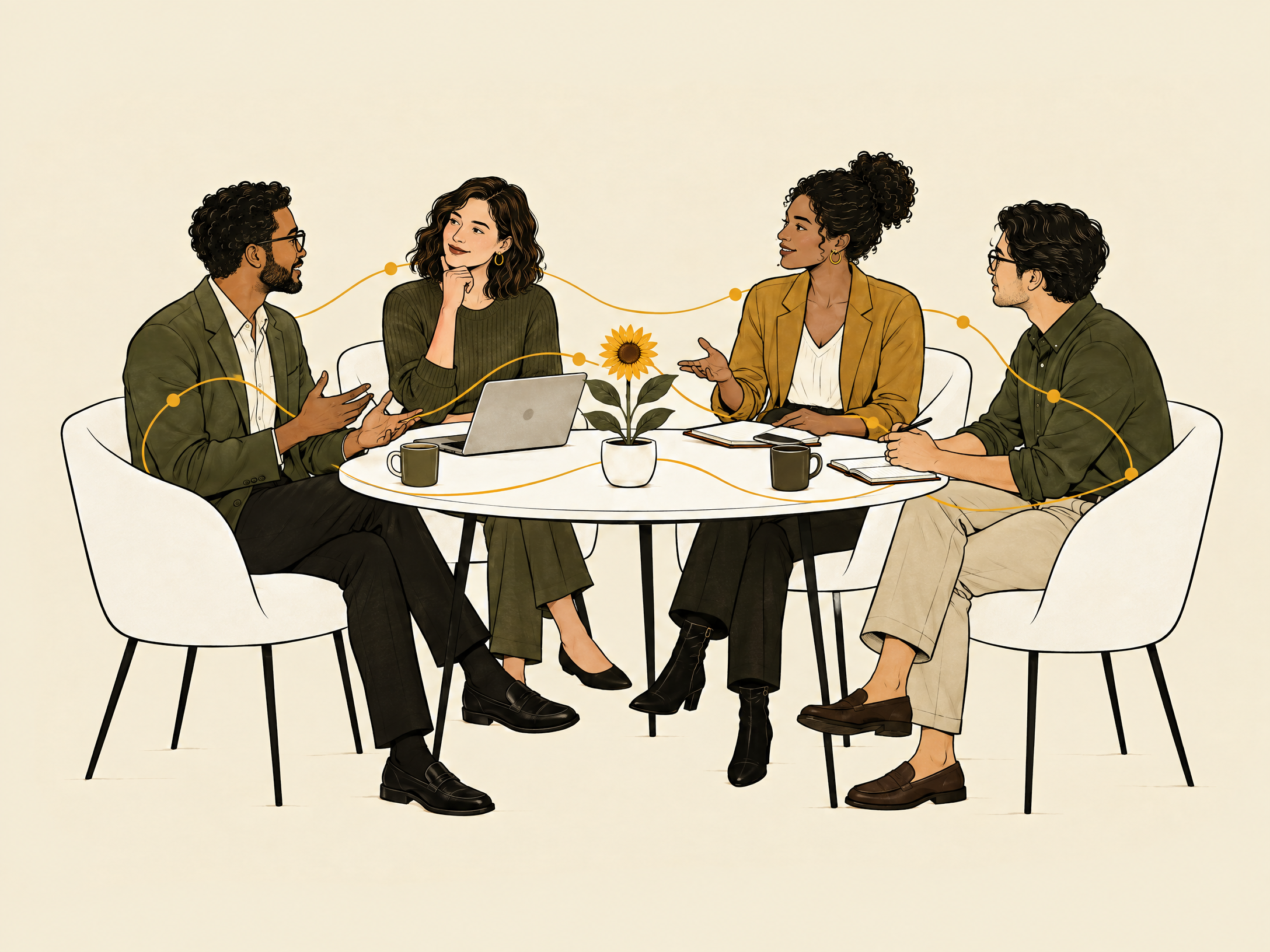
The Referral Circles are the heart of Reciprocity in Practice. They are small, intentional groups designed to move beyond surface-level networking and toward the kind of relationships professionals can actually rely on.
In a Circle, people do not have to perform or compete for attention. They have room to share what they do, who they serve, what they are building, what they need, and—just as importantly—what they can offer. That offer may be a referral, a resource, a local connection, an area of expertise, a practical skill, or a perspective that helps another person move forward.
We believe trust is built through repeated, low-pressure opportunities to be useful to one another. Over time, members learn the nuance behind someone’s work: the clients they are especially equipped to serve, the situations they are most comfortable taking on, the resources they know well, and the values they bring to care.
That is what makes a referral stronger. It is no longer, “I know someone who might be able to help.” It becomes, “I know how this person works, who they serve, and why they may be a meaningful fit.”
What a Circle can make possible
A Referral Circle can make professional life feel less isolating and more supported. It gives members a smaller place to return to, a reason to stay connected, and a community that becomes more useful as relationships deepen.
It also creates a healthier model of growth. Instead of trying to be known by everyone, members have an opportunity to be genuinely known by the right people.
The Directory
The right connection should be easier to find.
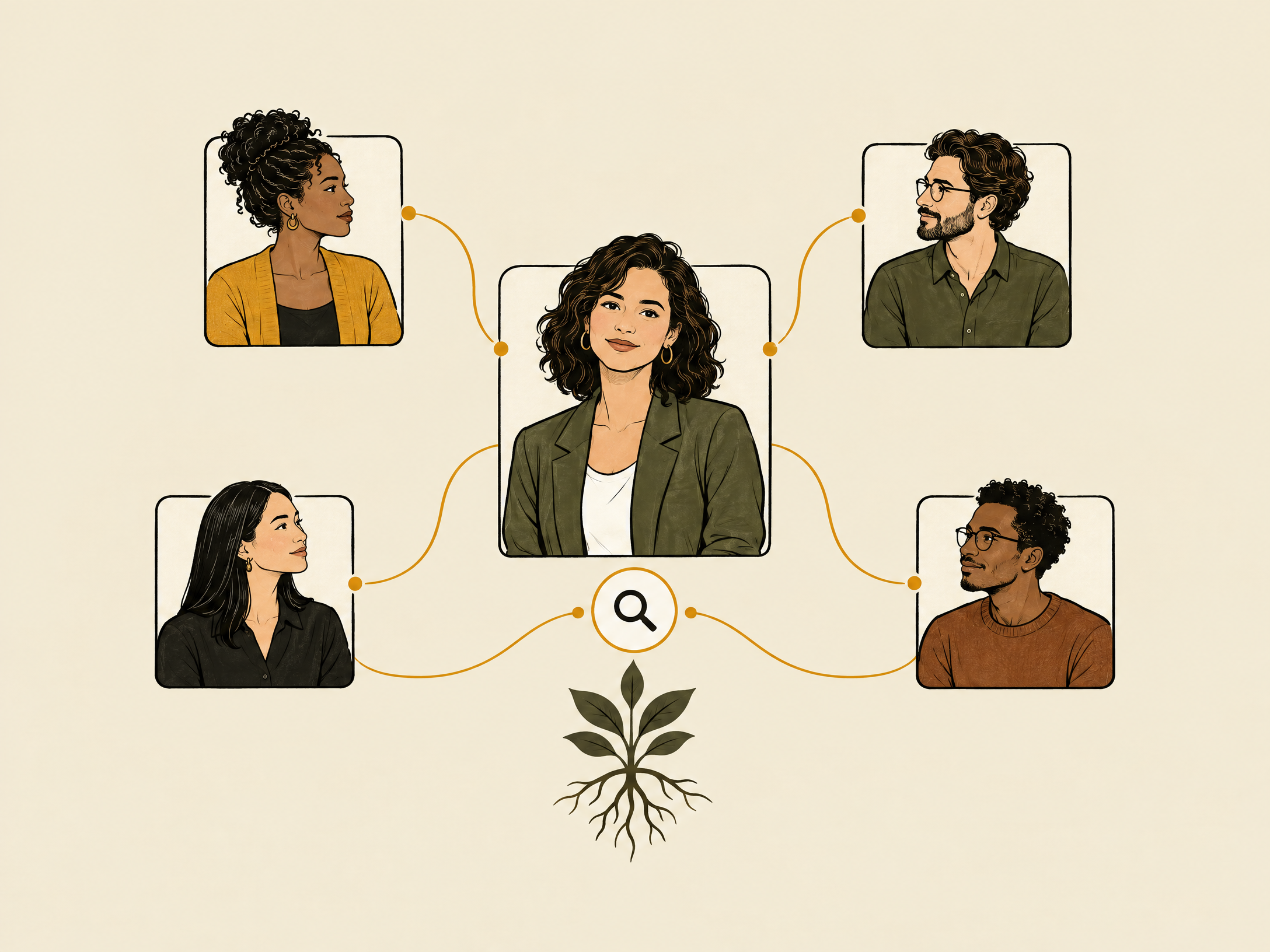
The future Reciprocity in Practice Directory is envisioned as a living resource for the moments when someone needs more than a broad internet search or a half-remembered name.
It will help professionals find people by the details that actually matter: specialty, population served, referral fit, service area, practical expertise, professional strengths, and the resources they are willing to share. It will make room for the real nuance behind a referral—because two professionals can hold the same credential and still be very different fits for the same person or situation.
The Directory is not meant to be a static list of names. It is meant to reflect a community of people who are known in context. A clinician may be searchable not only because of who they see, but because they understand a particular community resource, have experience with a specific type of practice transition, know how to help with a practical tool, or are especially thoughtful in a particular kind of referral situation.
A resource for more than referrals
The Directory will also help make professional support easier to access. Sometimes the next right connection is a specialist. Sometimes it is a consultation resource, a local partner, a software recommendation, a space to rent, a training, or someone who has already solved a problem you are carrying alone.
The goal is simple: less time searching in isolation, more confidence finding the right person or resource.
Workshops
Practical growth belongs in community.
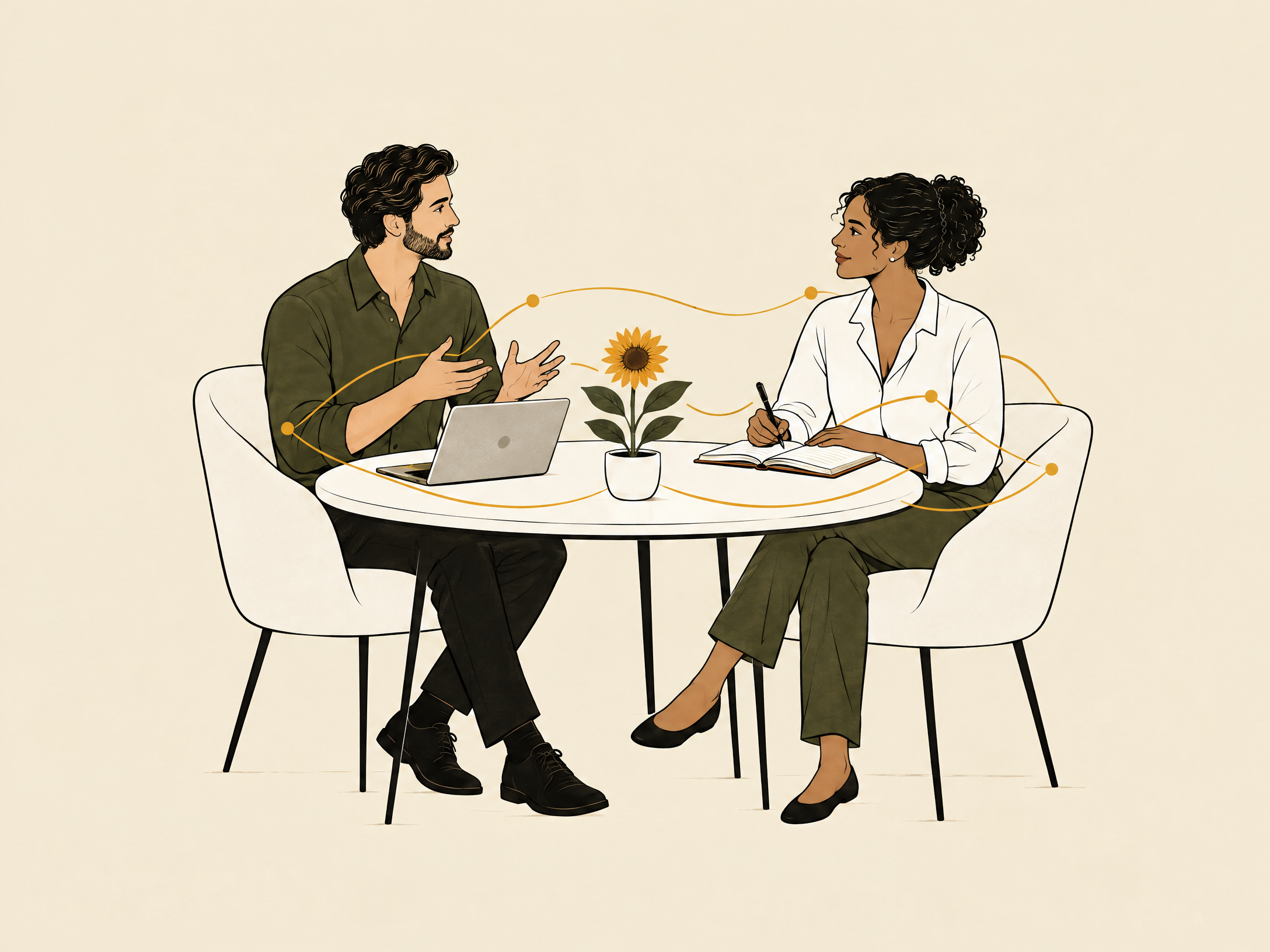
Workshops are where ideas become skills people can use the next day.
Healthcare professionals are often asked to become excellent clinicians while also learning how to communicate their work clearly, build a sustainable practice, navigate referral relationships, make decisions about visibility and boundaries, and use the tools that keep a modern practice running. Much of that learning happens alone, through trial and error, or in conversations that are too scattered to become useful.
Reciprocity in Practice Workshops will create focused, practical learning spaces for the real work of building a connected practice. Topics may include strengthening referral relationships, clarifying how you describe your work, growing a cash-pay practice with integrity, using community resources well, creating a professional network that feels reciprocal, or making technology and systems work for you rather than against you.
The point is not to hand professionals another generic formula. It is to give them language, perspective, and usable tools while putting them in a room with people who are learning beside them.
Learn something. Share something. Leave with momentum.
A good workshop does not end when the slides are over. It creates conversations, follow-up, and the confidence to try something new. It helps people recognize that the knowledge they have gained through experience may be exactly what another professional needs.

Community Events
Connection needs a place to keep growing.
Relationships need more than one introduction. They need a place to continue.
Community Events will bring people together for conversation, shared learning, resource exchange, and the simple but meaningful experience of being in the room with other professionals who understand the realities of the work. Some gatherings may be structured. Others may be informal. All are meant to create more opportunities for connection to become familiar, and for familiar connection to become trust.
These events are a place to meet someone new, reconnect with someone you met months ago, bring a colleague, share a resource that has helped your practice, or simply be reminded that there are people nearby who care about doing good work well.
A community is built in the in-between moments.
It is often the conversation before the event begins, the follow-up note afterward, or the introduction made over coffee that becomes the beginning of something useful. Community Events create room for those moments to happen more often.
The Summit
A wider room changes what is possible.
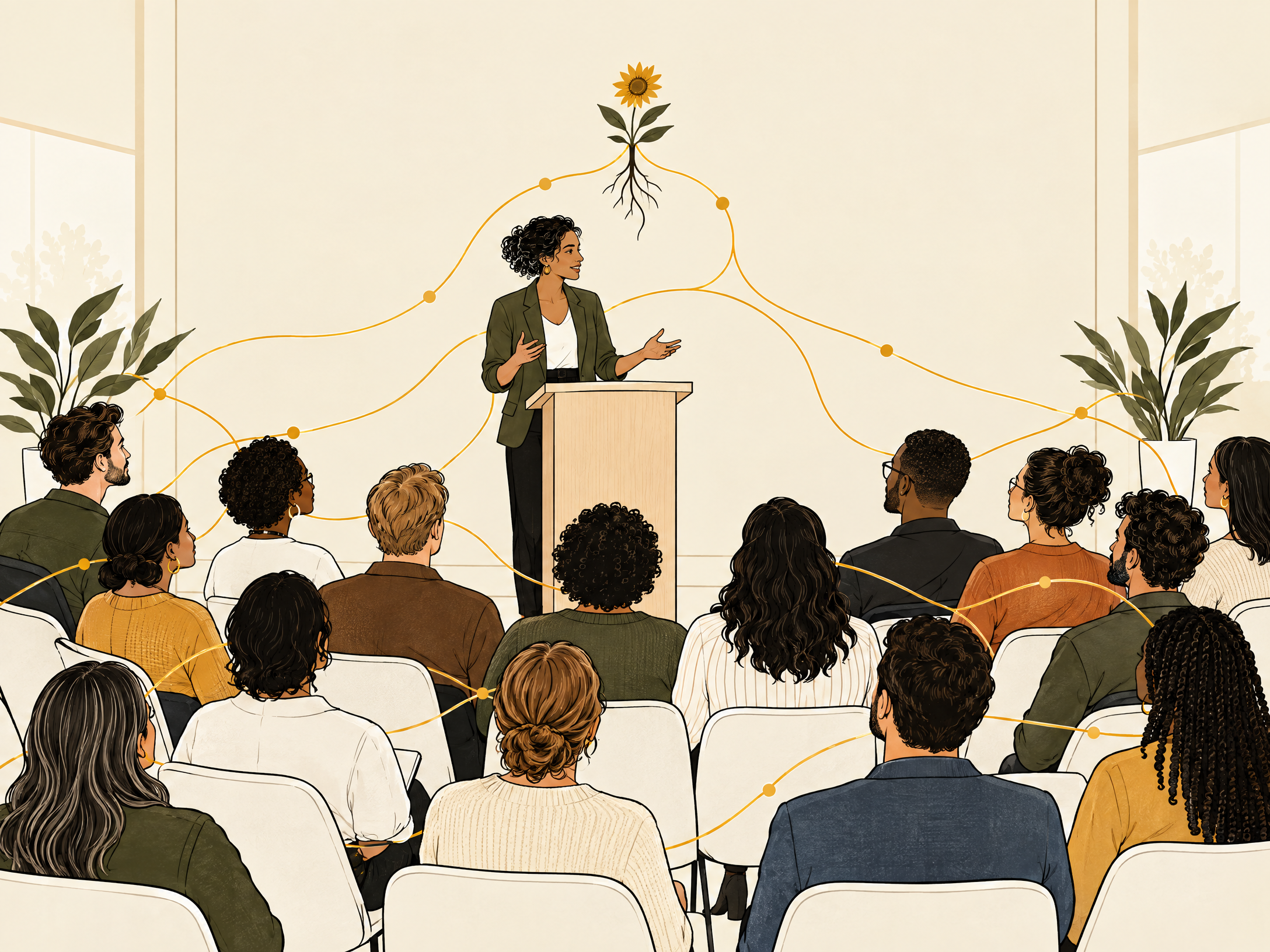
The Reciprocity in Practice Summit is the larger expression of this vision: a gathering that brings professionals across specialties, settings, and stages of practice into one shared conversation.
The Summit will be a place for learning, connection, and a wider look at what becomes possible when healthcare professionals choose relationship over isolation. It will make room for practical education, honest discussion, cross-disciplinary perspective, and the kind of conversations that can shift how people see their role in the larger care community.
A stronger referral ecosystem cannot be built by one discipline alone. It requires people who see different parts of the same picture: therapists, physicians, prescribers, dietitians, coaches, treatment programs, body-based practitioners, consultants, and community partners. The Summit will create a room large enough for those perspectives to meet.
We are building toward a shared standard of support.
The vision is not simply a memorable event. It is a gathering that sends people back into their communities with stronger relationships, clearer ideas, practical resources, and a renewed sense that the professional network around them can be part of excellent care.
When professionals are supported, clients are better served.
Every part of Reciprocity in Practice comes back to this truth.
When a professional has a trusted community, they are less likely to have to guess alone. They can find the right specialist, ask a better question, share a resource, make a warm introduction, or recognize when someone else may be a stronger fit.
When those connections are built on real relationship rather than transaction, the people receiving care feel the difference. They are more likely to be met with clarity, supported through a thoughtful handoff, and connected to professionals who can respond to the whole of what they need.
We are building a web of support for professionals because better-connected professionals can create better-connected care.